
Full text loading...



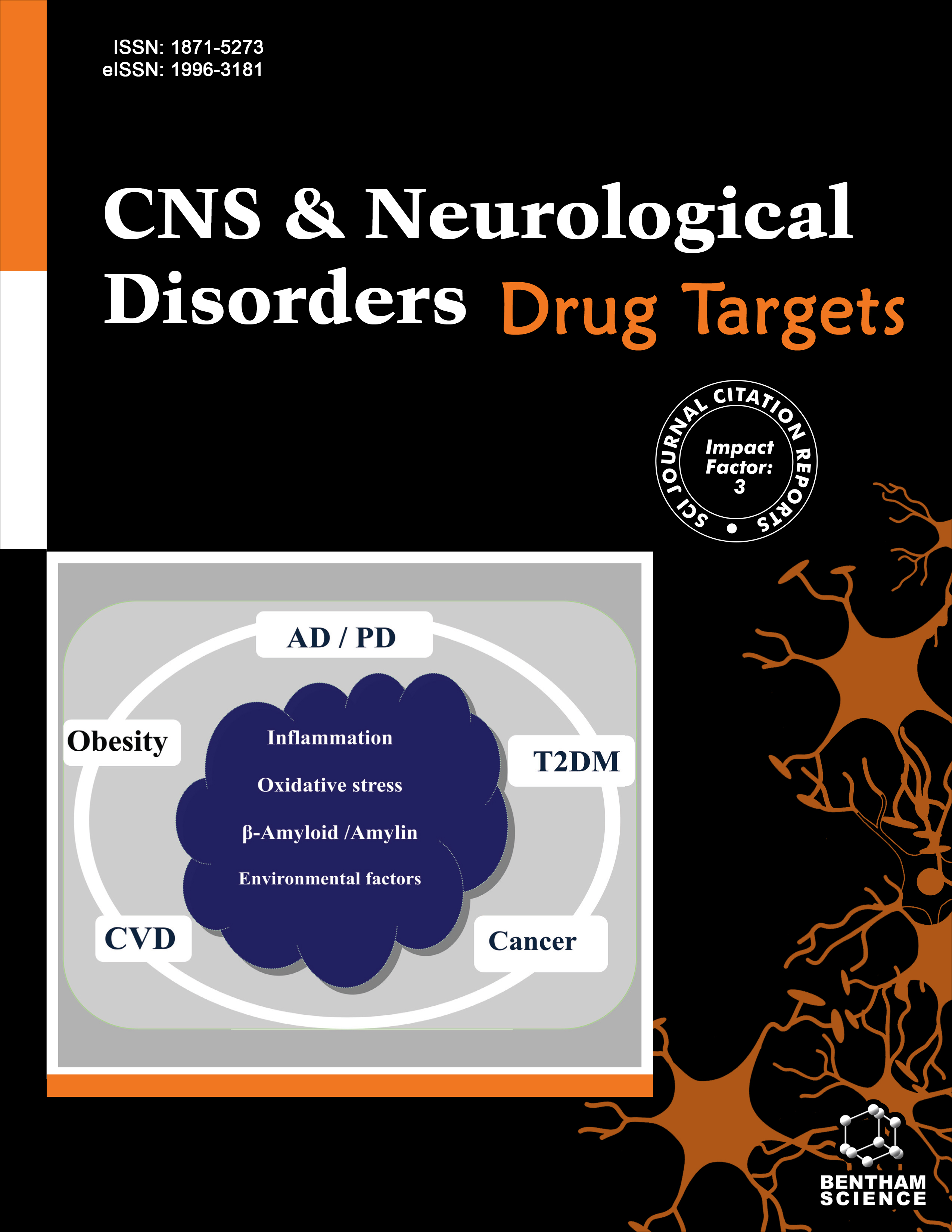
Alzheimer's disease is the most common form of dementia. It is characterized by betaamyloid peptide fibrils which are extracellular deposition of a specific protein, accompanied by extensive neuroinflammation. Various studies show the presence of a number of inflammation markers in the AD brain: elevated inflammatory cytokines and chemokines, and an accumulation of activated microglia in the damaged regions. NF-ΚB is a family of redox sensitive transcriptional factors, and it is known that NF-ΚB has binding sites in the promoter region of the genes involved in amyloidogenesis and inflammation. Long-term use of non-steroidal anti-inflammatory drugs prevents progression of AD and delays its onset, suggesting that there is a close correlation between NF-ΚB and AD pathogenesis. This study aims to (1) assess the association between NF-ΚB activity and AD through discussion of a variety of experimental and clinical studies on AD and (2) review treatment strategies designed to treat or prevent AD with NF-ΚB inhibitors.