


Bentham Science Publishers
Bentham Science Publishers is a major publisher of more than 100 peer-reviewed science, technology and medical (STM) journals, along with a rapidly growing collection of eBooks. Since 1993, Bentham Science Publishers has been catering to the information needs of the pharmaceutical, engineering, biomedical and medical research community.251 - 300 of 1969 results
-
-

Arid and Semi-Arid Zones of Mexico: A Comprehensive Exploration of Biodiversity, Ecology, and Conservation
More LessArid and Semi-Arid Zones of Mexico: A Comprehensive Exploration of Biodiversity, Ecology, and Conservation is an in-depth, multidisciplinary examination of one of Mexico's most ecologically distinctive and biologically rich landscapes. Comprising 14 chapters authored by subject-matter experts, this reference work investigates the climatic, physical, and biological characteristics of Mexico's principal arid and semi-arid regions.
The volume presents detailed assessments of emblematic plant and animal species, while also exploring the ecological roles of nursery processes and the consequences of human activity on fragile desert ecosystems. Conservation priorities are addressed through evaluations of protected natural areas and the safeguarding of native germplasm resources. Additionally, the contributors document the medicinal and biologically active products derived from arid-zone flora, highlighting their ecological and cultural significance.
Each chapter integrates case studies and findings from Mexico's key arid regions — the Baja California Peninsula, Chihuahuan Desert, Sonoran Desert, and Tehuacán-Cuicatlán Valley.
Key Features
Comprehensive ecological, biological, and conservation analysis of Mexico's arid and semi-arid regions
In-depth focus on emblematic fauna and flora
Examination of ecological processes, human impacts, and conservation strategies
Assessment of protected areas and germplasm conservation efforts using cacti as umbrella taxa
Documentation of natural products with medicinal and biological applications
Integrative analyses across four major arid regions, highlighting ecological patterns and biodiversity trends
-
-
-
Aromatherapy: The Science of Essential Oils
More LessAromatherapy is a medical practice that uses aromatic compounds or essential oils to influence mood and health. Essential oils used in aromatherapy are created from a wide variety of medicinal plants, flowers, herbs, roots, and trees that are found all over the world and have significant, well-documented benefits on enhancing physical, emotional, and spiritual wellbeing.
This book is a comprehensive reference on aromatic compounds present in essential oils and their therapeutic use. Starting from fundamentals of essential oil biosynthesis the book guides the reader through their basic biochemistry, toxicology, profiling, blending and clinical applications. The concluding chapters also present focused information about the therapeutic effects of essential oils on specific physiological systems, plant sources, skin treatment and cancer therapeutics.
The combination of basic and applied knowledge will provide readers with all the necessary information for understanding how to develop preclinical formulations and standard clinical therapies with essential oils. This is an essential reference for anyone interested in aromatherapy and the science of essential oils.
-
-
-
Art Psychotherapy & Narrative Therapy: An Account of Practitioner Research
Rethinking Research And Professional Practices In Terms Of Relationality, Subjectivity And Power: Volume 1
More LessThis book is a personal, political and philosophical exploration of doing both therapy and research: an enquiry into how the process of therapy shapes the therapist as well as the client, and how the researcher is shaped by her research. A guiding theme is the proposal, following Foucault and Nikolas Rose, that psychotherapy is constituted, through forms of modern power, as a crucial contemporary site of both governance and resistance. As well as giving an account of the author's clinical and research practices as an art psychotherapist and narrative therapist, the book offers a highly readable introduction to poststructural theory and innovative social sciences methodologies, while expanding the understanding and practice of these theories and methodologies. The book embodies and performs what it describes, engaging readers far more strongly in complex theoretical material than is possible in an expository text. The poststructural, autoethnographic approach taken in this book is unique in the field of the arts therapies.
-
-
-
Artificial Adaptive Systems in Medicine: New Theories and Models for New Applications in the Real World
More LessThis Ebook covers the emerging and most important theories underlying artificial intelligence applications in a variety of medical problems. It is written for physicians, researchers, engineers, statisticians and advanced students who wish to increase their familiarity with different topics of modern mathematics related to predictive medicine. Both theoretical and applied aspects are presented in this book. Many illustrative mathematical explanations and worked-out examples are given. This book features contributions by nine noted experts from leading medical centers worldwide, which should prove to be of considerable interest to the readers.
-
-
-
Artificial Intelligence Based Cancer Nanomedicine: Diagnostics, Therapeutics and Bioethics
More LessNanomedicine is evolving with novel drug formulations devised for multifunctional approaches towards diagnostics ad therapeutics. Nanomedicine-based drug therapy is normally explored at a fixed dose. The drug action is time-dependent, dose-dependent and patient-specific. To overcome challenges of nanomedicine testing, artificial intelligence (AI) serves as a helping tool for optimizing the drug and dose parameters. Real time conversions between these two features enables upgradation of patient data acquisition and improved design of nanomaterials. In this scenario, AI-based pattern analysis and algorithms models can greatly improve accuracy of diagnostics and therapeutics.
This book gives a comprehensive explanation of the role of machine learning and artificial intelligence in cancer nanomedicine. It presents 10 chapters that cover multiple dimensions of the subject. These dimensions are:
- The need of AI and ML in designing new cancer drugs
- Application of AI in cancer drug design
- AI-based drug delivery models for cancer drugs
- Diagnostic applications of AI
- Intelligent nanosensors for biomarker profiling
- Predictive models for metastatic cancer
- Cancer nanotheranostics
- Ethics of AI in medicine
Contributions have been made by 16 researchers who are experts in pharmacology and drug design. The contents of the book bridge knowledge gaps between the fields of biomedical engineering, pharmacology and clinical medicine, with a focus on cancer treatment.
The book serves as a reference for scholars learning about cancer diagnostics and therapeutics. Biomedical engineers who are involved in healthcare projects will also find the concepts and techniques highlighted in the book informative for understanding modern computer-based approaches used to solve clinical problems.
-
-
-
Artificial Intelligence Development in Sensors and Computer Vision for Health Care and Automation Application
More LessArtificial Intelligence Development in Sensors and Computer Vision for Health Care and Automation Application explores the power of artificial intelligence (AI) in advancing sensor technologies and computer vision for healthcare and automation. Covering both machine learning (ML) and deep learning (DL) techniques, the book demonstrates how AI optimizes prediction, classification, and data visualization through sensors like IMU, Lidar, and Radar. Early chapters examine AI applications in object detection, self-driving vehicles, human activity recognition, and robot automation, featuring reinforcement learning and simultaneous localization and mapping (SLAM) for autonomous systems. The book also addresses computer vision techniques in healthcare and automotive fields, including human pose estimation for rehabilitation and ML in augmented reality (AR) for automotive design. This comprehensive guide provides essential insights for researchers, engineers, and professionals in AI, robotics, and sensor technology.
Key Features:
- In-depth coverage of AI-driven sensor innovations for healthcare and automation.
- Applications of SLAM and reinforcement learning in autonomous systems.
- Use of computer vision in rehabilitation and vehicle automation.
- Techniques for managing prediction uncertainty in AI models.
-
-
-
Artificial Intelligence Resources in Control and Automation Engineering
More LessThis e-book focuses on the application of artificial intelligence resources in fields related to Control and Automation Engineering. Techniques such as neural networks, fuzzy logic and expert systems are a key tool for researchers and engineers requiring powerful solutions to a wide range of problems. The e-book should be a useful guide for these engineers and presents practical examples of real cases where these techniques have been successfully applied.
-
-
-
Artificial Intelligence and Data Science in Recommendation System: Current Trends, Technologies, and Applications
More LessArtificial Intelligence and Data Science in Recommendation System: Current Trends, Technologies and Applications captures the state of the art in usage of artificial intelligence in different types of recommendation systems and predictive analysis. The book provides guidelines and case studies for application of artificial intelligence in recommendation from expert researchers and practitioners. A detailed analysis of the relevant theoretical and practical aspects, current trends and future directions is presented.
The book highlights many use cases for recommendation systems:
- Basic application of machine learning and deep learning in recommendation process and the evaluation metrics
- Machine learning techniques for text mining and spam email filtering considering the perspective of Industry 4.0
- Tensor factorization in different types of recommendation system
- Ranking framework and topic modeling to recommend author specialization based on content
- Movie recommendation systems - Point of interest recommendations
- Mobile tourism recommendation systems for visually disabled persons
- Automation of fashion retail outlets
- Human resource management (employee assessment and interview screening)
This reference is essential reading for students, faculty members, researchers and industry professionals seeking insight into the working and design of recommendation systems.
-
-
-
Artificial Intelligence and Knowledge Processing: Methods and Applications
More LessArtificial Intelligence and Knowledge Processing: Methods and Applications demonstrates the transformative power of Artificial Intelligence (AI) in our lives. The book is a collection of 14 edited reviews that cover a wide range of topics showcasing the application of AI and machine learning to create knowledge, and facilitate different processes. The book starts by illuminating how AI is employed in robotics, IoT, marketing, and operations. It showcases how AI extracts insights from big data, optimizes museum management, and empowers automated garden path planning using reinforcement learning. The book also explores how AI can be used to predict heart disease using artificial neural networks. Furthermore, the book underscores how AI predicts crop suitability, manages crop systems, and can even help to detect violence in using computer vision. Chapters highlight specific techniques or systems such as recommendation systems and reinforcement learning where appropriate. Key Features: & Showcases a wide range of AI applications & Bridges theory and practice with real-word insights & Uses accessible language to explain complex AI concepts & Includes references for advanced readers This book is intended as a guide for a broad range of readers who want to learn about AI applications and the profound influence it has on our lives.
-
-
-
Artificial Intelligence and Multimedia Data Engineering
More LessThis book explains different applications of supervised and unsupervised data engineering for working with multimedia objects. Throughout this book, the contributors highlight the use of Artificial Intelligence-based soft computing and machine techniques in the field of medical diagnosis, biometrics, networking, automation in vehicle manufacturing, data science and automation in electronics industries. The book presents seven chapters which present use-cases for AI engineering that can be applied in many fields. The book concludes with a final chapter that summarizes emerging AI trends in intelligent and interactive multimedia systems. Key features: - A concise yet diverse range of AI applications for multimedia data engineering - Covers both supervised and unsupervised machine learning techniques - Summarizes emerging AI trends in data engineering - Simple structured chapters for quick reference and easy understanding - References for advanced readers This book is a primary reference for data science and engineering students, researchers and academicians who need a quick and practical understanding of AI supplications in multimedia analysis for undertaking or designing courses. It also serves as a secondary reference for IT and AI engineers and enthusiasts who want to grasp advanced applications of the basic machine learning techniques in everyday applications.
-
-
-
Artificial Intelligence and Natural Algorithms
More LessThis book informs the reader about applications of Artificial Intelligence (AI) and nature-inspired algorithms in different situations. Each chapter in this book is written by topic experts on AI, nature-inspired algorithms and data science.
The basic concepts relevant to these topics are explained, including evolutionary computing (EC), artificial neural networks (ANN), swarm intelligence (SI), and fuzzy systems (FS). Additionally, the book also covers optimization algorithms for data analysis.
The contents include algorithms that can be used in systems designed for plant science research, load balancing, environmental analysis and healthcare.
The goal of the book is to equip the reader - students and data analysts - with the information needed to apply basic AI algorithms to resolve actual problems encountered in a professional environment.
-
-
-
Artificial Intelligence for Smart Cities and Smart Villages: Advanced Technologies, Development, and Challenges
More LessSmart cities and villages have enhanced the quality of lives of residents. Various computer-assisted technologies have been harnessed for the development of smart cities and villages in order to provide solutions for common and niche urban problems. The development of smart environments has been possible due on advances in computing power and artificial intelligence (AI) that have allowed the deployment of scalable technologies.
Artificial Intelligence for Smart Cities and Villages: Advanced Technologies, Development, and Challenges summarizes the role of AI in planning and designing smart solutions for urban and rural environments.
This book is divided into three sections to impart a better understanding of the topics to readers. These sections are: 1) Demystifying smart cities and villages: A traditional perspective, 2) Smart innovations for rural lifestyle management solutions, and 3) Case studies. Through this book, readers will be able to understand various advanced technologies that are vital to the development of smart cities and villages.
The book presents 15 chapters that present effective solutions to urban and rural challenges. Concepts highlighted in chapters include smart farms, indoor object classification systems, smart transportation, blockchains for medical information, humanoid robots for rural education, IoT devices for farming, and much more.
This book is intended for undergraduate and graduate engineering students across all disciplines, security providers in the IT and related fields, and trainees working for infrastructure management companies. Researchers and consultants at all levels working in the areas of artificial intelligence, machine learning, IoT, blockchain, network security, and cloud computing will also find the contents beneficial in planning projects involving smart environments.
-
-
-
Artificial Intelligence in Business Management
More LessArtificial Intelligence in Business Management is a review of artificial intelligence (AI) applications in businesses. This book adopts a cross-disciplinary strategy toward AI adoption. Book chapters explore many projects that go beyond simple data management and accessibility to showcase the growing role of artificial intelligence and machine learning in the enterprise data space. AI methods for tackling marketing and commercial strategies, as well as the use of AI and machine learning in tourism, insurance and healthcare systems, are discussed. A study on the significance of cultural assets in evaluating risks and protection is also presented. The content gives valuable insights on the application and implications of artificial intelligence and machine learning from this book to readers aiming for corporate roles, such as directors, executives, senior software developers, and digital transformation managers.
The book is an essential resource for researchers and professionals in business, economics, and allied disciplines.
-
-
-
Artificial Intelligence, Machine Learning and User Interface Design
More LessArtificial Intelligence, Machine Learning and User Interface Design is a forward-thinking compilation of reviews that explores the intersection of Artificial Intelligence (AI), Machine Learning (ML) and User Interface (UI) design. The book showcases recent advancements, emerging trends and the transformative impact of these technologies on digital experiences and technologies.
The editors have compiled 14 multidisciplinary topics contributed by over 40 experts, covering foundational concepts of AI and ML, and progressing through intricate discussions on recent algorithms and models. Case studies and practical applications illuminate theoretical concepts, providing readers with actionable insights. From neural network architectures to intuitive interface prototypes, the book covers the entire spectrum, ensuring a holistic understanding of the interplay between these domains.
Use cases of AI and ML highlighted in the book include categorization and management of waste, taste perception of tea, bird species identification, content-based image retrieval, natural language processing, code clone detection, knowledge representation, tourism recommendation systems and solid waste management.
Advances in Artificial Intelligence, Machine Learning and User Interface Design aims to inform a diverse readership, including computer science students, AI and ML software engineers, UI/UX designers, researchers, and tech enthusiasts.
-
-
-
Artificial Intelligence: A Multidisciplinary Approach towards Teaching and Learning
More LessArtificial Intelligence: A Multidisciplinary Approach towards Teaching and Learning explores the evolving role of AI in education, covering applications in fields such as bioinformatics, environmental science, physics, chemistry, economics, and language learning. Written by experts, this book provides a comprehensive overview of AI's integration into diverse subjects, offering insights into the future of AI in education and its potential to enhance academic research and pedagogy.
Targeted at faculty, students, and professionals, the book addresses AI's role in blended learning environments and offers practical tools for educators seeking to incorporate AI into their teaching practices.
Key Features:
- Multidisciplinary exploration of AI in teaching and learning.
- Practical tools and methodologies for educators.
- Insights into AI-driven innovations in research.
- Relevant to a broad audience, from students to professionals.
-
-
-
Artificial Intelligence: Models, Algorithms and Applications
More LessArtificial Intelligence: Models, Algorithms and Applications presents focused information about applications of artificial intelligence (AI) in different areas to solve complex problems. The book presents 8 chapters that demonstrate AI based systems for vessel tracking, mental health assessment, radiology, instrumentation, business intelligence, education and criminology. The book concludes with a chapter on mathematical models of neural networks.
The book serves as an introductory book about AI applications at undergraduate and graduate levels and as a reference for industry professionals working with AI based systems.
-
-
-
Artificial Intelligence: Unleashing the Future
More LessArtificial Intelligence: Unleashing the Future builds a robust conceptual framework on artificial intelligence and machine learning before diving into practical applications.
Beginning with a historical overview and foundational techniques in machine learning and deep learning the book's chapters explore the deployment of AI in agriculture through smart irrigation, plant disease detection, and robotic farming; in cybersecurity via intelligent threat detection and defense tools; in healthcare through diagnostic AI, robotic surgery, and telemedicine; and in education by enabling personalized learning and adaptive technologies. Ethical, regulatory, and privacy concerns are also thoughtfully addressed, ensuring readers grasp both the opportunities and the complexities of AI integration.
Key Features
Trace AI's evolution and emerging architectures
Apply machine learning across real-world sectors
Explore sector-specific case studies and implementations
Understand ethical, legal, and data privacy issues
Gain insights into future trends in AI deployment.
-
-
-
Artificial Neural Systems: Principle and Practice
More LessAn intelligent system is one which exhibits characteristics including, but not limited to, learning, adaptation, and problem-solving. Artificial Neural Network (ANN) Systems are intelligent systems designed on the basis of statistical models of learning that mimic biological systems such as the human central nervous system. Such ANN systems represent the theme of this book. This book also describes concepts related to evolutionary methods, clustering algorithms, and other networks which are complementary to ANN systems.
The book is divided into two parts. The first part explains basic concepts derived from the natural biological neuron and introduces purely scientific frameworks used to develop a viable ANN model. The second part expands over to the design, analysis, performance assessment, and testing of ANN models. Concepts such as Bayesian networks, multi-classifiers, and neuromorphic ANN systems are explained, among others.
Artificial Neural Systems: Principles and Practice takes a developmental perspective on the subject of ANN systems, making it a beneficial resource for students undertaking graduate courses and research projects, and working professionals (engineers, software developers) in the field of intelligent systems design.
-
-
-
Assessment and Mitigation of Indoor Radon Problem: A Case Book for Radon Professionals
More LessRadon is a highly radioactive gas and a waste product of nuclear reactors. Radon is also carcinogenic for this reason and can be linked to the incidence of lung cancer in non smoking individuals who often spend time indoors. Assessment and Mitigation of Indoor Radon Problem is a case book for professionals who are interested in modeling the distribution of Radon gas in a real environment. The book is a collection of results taken from a survey of locations in the US state of Ohio. The data in this case book is based is based on the homes and mitigation databases of the Ohio Radon Information System (ORIS), maintained by the Air Pollution Research Group (APRG) at The University of Toledo in Toledo.
This case book will be of interest to software engineers and environmental health workers seeking to build a geographic information system for tracking radioactive waste that can contaminate residential areas, particularly household indoors.
-
-
-
Assessment, Accreditation and Ranking Methods for Higher Education Institutes in India: Current Findings and Future Challenges
More LessThis reference presents information about quality benchmarks of Indian higher education institute (HEI) accreditation bodies namely, the National Assessment and Accreditation Council (NAAC) and the National Institute Ranking Framework (NIRF). The objective of the book is to enlighten stakeholders working in Indian HEIs on the recently revised accreditation and ranking processes, which are crucial to the career prospects of students. The contributors of each chapter include experienced NAAC assessors and educationalists. The authors present their own experiences in the light of the accreditation process and suggestions for the improvement of rankings in their institutes. Topics such as the student feedback system, student perception on private and public universities, student mentoring system, usage of ICT methods in teaching learning process, and integration of life skills into curriculum are discussed in this book. The information is presented in a simple, structured manner and is an informative resource for personnel involved in administrative and policy making roles in higher educational settings, with a focus on the Indian higher education system.
-
-
-
Astrobiology: The Search for Life in the Universe
More LessAstrobiology refers to the study of the origin, evolution, distribution, and future of life in the universe. This encompasses extraterrestrial life and life on Earth. Astrobiology is an interdisciplinary field that is gaining a rapidly growing interest among both the general public and the astronomical research community. This e-book explains the detection and evolution of exoplanets and discusses the question of habitability on such objects. Chapters in this text include cited references enabling the reader to acquire more information on specific aspects of astrobiology. It is also a suitable textbook for introductory taught courses in universities and colleges on the subject.
-
-
-
At the Crossroads Between Nutrition and Pharmacology
Frontiers in Bioactive Compounds: Volume 2
More LessFunctional foods (foods with known bioactive properties) have shown potential for preventive and therapeutic treatments. However, this potential must be safely determined before they enter the commercial market. At the same time, nutrition research is transforming into a data driven field with reference to the identification and development of functional food products due to the large number of variables affecting food biochemistry in the human body. This volume presents reviews of recent advances in food chemistry, food technology and nutraceutical research (for diet therapy and cosmetics).
Chapters in this volume cover a broad spectrum of topics:
- drug discovery and development in the modern nutraceutical industry,
- recent developments in the extraction, identification and quantification of bioactive peptides in foods,
- concepts of bioavailability, bioaccessibility, bioactivity, bioefficiency and bioconversion of bioactive foods,
- synthetic routes for obtaining bioactive compounds,
- the role of nutrigenomics to identify key cellular functions by specific genetic and epigenetic interactions with a nutrient,
- anti-cancer properties of important bioactive components of medicinal plants,
- the effect of a diet based on different bioactive foods on prevention and treatment of diabetes,
- antioxidant effects on cardiovascular disease,
- beneficial effects of bioactive foods on metabolic syndrome,
- the potential of tauroursodeoxycholic acid on prevention and recovery of neurodegenerative diseases,
- the effects of natural phytochemicals in prostate cancer,
- the effects of methylxanthines (caffeine and others), and culinary methods on physiological and toxicological effects of the bioactive food constituents.
The volume is an ideal reference for pharmacy students, nutritionists, healthcare providers and nutraceutical R&D specialists interested in functional foods.
-
-
-
Atmospheric Flow Fields: Theory, Numerical Methods And Software Tools
More LessThis e-book is a collection of chapters on practical and theoretical aspects of atmospheric flows over flat and complex terrain, with applications to air pollution and wind energy.
It is divided into two main sections: the first section deals with atmospheric dynamics, and the second section explains the planetary boundary-layer parameterization that is a key issue for the definition of initial wind flow fields in meteorological and prognostic estimation of turbulence - "Ensemble Nowcasting" for short term prediction.
The e-book is unique in that it features a combination of theoretical, analytical and numerical techniques, and tools where the techniques presented in the e-book are demonstrated and can be replicated by the reader. These practical tools can be used to easily test selected mathematical formulation or for performing a swift sensitivity analysis. The tools presented in this reference work focus primarily on mixing height evaluation, representative day identification and PBL characterization by elementary measurements evaluated at surface level.
This e-book should be a valuable reference for readers interested in the meteorology of atmospheric wind flows.
-
-
-
Atomic Coherence and its Potential Applications
More LessThis comprehensive text describes the phenomenon of atomic coherence and the applications in several processes. Various sections have been written by eminent authors who have made extensive contributions in the field of quantum interference. Discussions are on microscopic nano-resolution techniques, lithography, photonic band gap control and much more. The Ebook is unique in its approach with experimental demonstrations and it should be a particularly useful reference for aspiring theoretical physicists, looking for a comprehensive review of applications in this active research field within a single book.
-
-
-
Augmented Intelligence: Deep Learning, Machine Learning, Cognitive Computing, Educational Data Mining
Advances in Computing Communications and Informatics: Volume 3
More LessAugmented intelligence is an alternate approach of artificial intelligence (AI), which emphasizes AI’s assistive role. Augmented intelligence enhances human skills of reasoning in a robotic system or software by simulating expectancy, educational mining, problem solving, recollection, sequencing, and decision-making capabilities. It is based on a combination of techniques such as machine learning, deep learning and cognitive computing.
This book explains artificial intelligence models that support assistive processes in different situations.
The contributors aim to provide information to a diverse audience with groundbreaking developments in mathematical computing.
The book presents 8 chapters on these topics:
- Educational data mining in augmented reality virtual learning environment
- Brain and computer interfaces
- Tree-based tools for chemometric analysis of infrared spectra
- Applications of deep learning in medical engineering
- Bankruptcy prediction model using an enhanced boosting classifier
- Reputation systems for mobile agent security
- The crow search algorithm
- COVID-19 diagnosis and treatment
The contents attempt to integrate various facets of augmented Intelligence, by describing recent research developments and advanced topics of interest to academicians and researchers working on machine learning problems and AI.
-
-
-
Autoimmune Disorders and Secondary Plant Metabolites (Part 2)
More LessAutoimmune Disorders and Secondary Plant Metabolites provides a crisp overview of immune system dysfunction, then examines the therapeutic potential of medicinal plants in managing major autoimmune and immune-related disorders such as Type 1 Diabetes, Multiple Sclerosis, Psoriasis, Systemic Lupus, Vitiligo, and Hashimoto's Thyroiditis. Each chapter identifies disease-specific phytochemicals, explains mechanisms of action, and highlights emerging plant-based pharmacotherapy strategies, while linking traditional pharmacology with modern molecular and diagnostic advances.
Key Features
- Provides disease-wise phytochemical insights.
- Explains immunomodulatory mechanisms using plant bioactive compounds.
- Bridges traditional and molecular pharmacology concepts.
- Presents evidence through simplified tables and visuals for comparison.
-
-
-
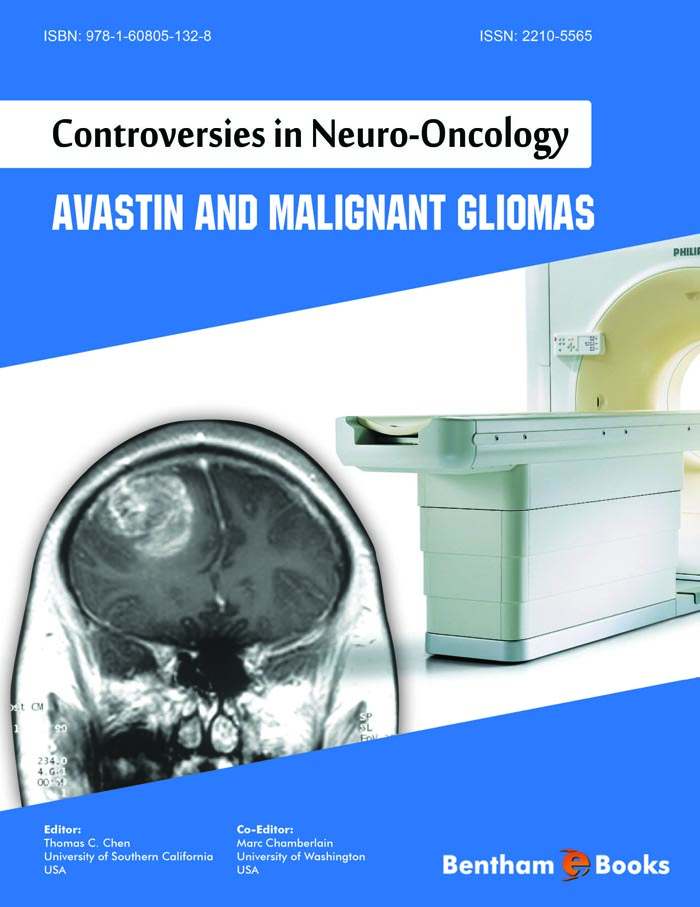
Avastin and Malignant Gliomas
Controversies in Neuro-Oncology: Volume 1
More LessNeuro-oncology is an embryonic field of cancer research with a number of clinical trials in progress. However, the prognosis on neuro-oncologic patients has remained poor. Moreover, several small scale phase I/II trials performed have proved to be inconclusive because of the limited number of patients involved. As a result, many controversies exist in neuro-oncology drug development for which a forum does not exist. This ebook presents a detailed account on the use of avastin in treating cancer patients. A discussion on clinical experiences and the controversial debate among researchers of avastin's role in restricting malignant gliomas is also included giving readers a diverse perspective on the rationale of treating CNS tumors.
-
-
-
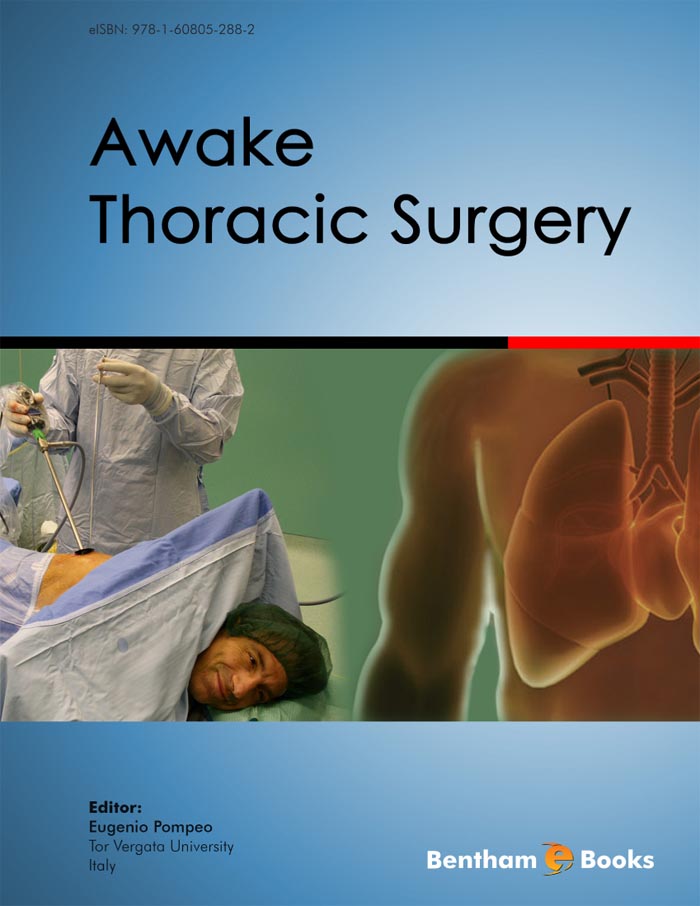
Awake Thoracic Surgery
More LessAwake thoracic surgery is a new surgical field that is set to expand in the near future. Employing sole epidural or local anaesthesia in fully awake patients renders many thoracic surgical procedures doable with less invasiveness and general anaesthesia related adverse effects can be avoided. This, in turn, facilitates fast track surgery and improves cost-effectiveness of treatment procedures. The book explains issues relevant to awake thoracic surgery including postoperative immunologic and stress-hormone responses, lung volume reduction surgery, pulmonary resections and thymectomy. This Ebook should be useful to readers interested in a comprehensive reference work on this intriguing minimally invasive surgical option.
-
-
-
Bacterial Diseases
More LessBacterial Diseases provides readers an overview of a broad variety of bacterial infections. Chapters cover the description of specific disease and its causative agent, followed by information about symptoms, diagnosis and clinical management. This easy-to-read resource is a suitable introductory textbook for pharmacy, medical, and dental students, as well as M Phil, and Ph.D. candidates for Pharmacology, Botany, Zoology, Microbiology, Pharmacy, Biotechnology and allied health science programs. Readers interested in a simple clinical summary of bacterial diseases can also benefit from the information provided.
Key Features:
- Coverage of a broad spectrum of bacterial infections over 41 topical chapters
- Easy-to-read presentation which provides a basic description of diseases covered to clinical diagnosis and management
- Emphasis on the route of infection
- References for further reading
-
-
-
Bacterial Nanocellulose for Papermaking and Packaging
More LessBacterial Nanocellulose for Papermaking and Packaging explores the groundbreaking potential of bacterial nanocellulose (BNC) in the papermaking and packaging industries. It provides an in-depth overview of BNC`s unique properties, biosynthesis, and scalable production methods, highlighting its role as a sustainable, high-performance biomaterial. Special emphasis is placed on its applications, such as enhancing paper durability, fire resistance, barrier properties, and creating specialized paper products.
Key Features:
- Comprehensive analysis of BNC`s production methods, from lab-scale to industrial scale.
- Insights into BNC`s transformative applications in papermaking, including as a reinforcing agent and coating material.
- Exploration of BNC`s potential in developing advanced packaging solutions.
- Discussion on challenges and future perspectives for sustainable and cost-effective BNC production.
-
-
-

Balance in Healthcare
More LessBalance in Healthcare is an easy to understand guide to maintaining a balanced medium of activities for healthy living. The book points out key aspects of balance in living a healthy life, and gives information on toxic lifestyle elements that can cause imbalance. These aspects include lifestyle, diet, family relationships, spirituality, the immune system, the endocannabinoid system, the antioxidant system and the concept of energy balance in the human body. The contents are expressed in a simple way, while delving into the relevant scientific explanations and also place an emphasis on the positive aspects of relationships and spirituality. Balance in Healthcare therefore, serves as a simple detoxification reference to readers from all walks of life, enabling anyone to understand and relearn the traditional concept of balance from a scientific angle so that they can achieve their highest potential when making choices for their mental and physical well-being.
-
-
-
Basic Biology and Clinical Aspects of Inflammation
Frontiers in Inflammation: Volume 1
More LessBasic Biology and Clinical Aspects of Inflammation provides information about the critical cells and biochemical mediators involved in the complex process of inflammation. Readers are introduced to the basic scientific background on the subject, after which the book progresses towards translational research in clinical settings. Topics covered in this volume include, the modulation of inflammation during normal and chronic wound healing, altered metabolism during inflammation processes, the effect of ageing on inflammatory processes, as well as details about the underlying molecular processes behind specific clinical pathologies that are driven by excessive inflammation in the body (allergic reactions, type 2 diabetes, cardiac and vascular disease, arthritis, periodontal disease, inflammatory bowel disease and neuroinflammation). The volume also provides the latest information on pharmacotherapy for inflammation and interesting contributions towards the mathematical modeling and network analysis of inflammation. Basic Biology and Clinical Aspects of Inflammation features contributions from by a distinguished group of international researchers and clinicians highly recognized for their specific expertise in the field of inflammation. The information presented in this reference is useful to academics, medical professionals, health care regulators and pharmaceutical scientists.
-
-
-
Basics of Organic Chemistry: A Textbook for Undergraduate Students
More LessBasics of Organic Chemistry: A Textbook for Undergraduate Students is an essential guide for students who are learning organic chemistry. The book provides a clear and thorough introduction to fundamental concepts, beginning with the topic of structure and bonding, which lays the foundation by exploring atomic structure, hybridization, and chemical bonds. The second chapter on reaction mechanisms breaks down the processes and factors influencing chemical reactions. The next chapter introduces readers to reactive Intermediates including transient species like carbocations and free radicals, while the final two chapters on Stereochemistry and organic compounds examine the spatial arrangement of atoms and its impact on chemical properties.
Key features
- Clear explanations with detailed illustrations and structured chapters
- Real-world examples to connect theory with practice
- End-of-chapter exercises for self-assessment
- Bibliography for further reading
Designed for undergraduate students of chemistry and allied subjects, this textbook is a valuable resource for advanced studies, in organic chemistry, exam preparation, and laboratory work.
-
-
-
Basics of Python Programming: A Quick Guide for Beginners
More LessBasics of Python Programming: A Quick Guide for Beginners is an essential companion to mastering the Python programming language. The book presents information about Python in 12 structured chapters with a strong emphasis on fundamentals and practical information. Starting with basic operators, functions and expressions, contents explain file handling, exception handling and modules. The book concludes with advanced topics such as object oriented programming and machine learning. Key Features: Fundamental Focus: Covers the core concepts of Python programming to build a strong foundation in python programming in an easy-to-understand format. Practical Demonstrations: Learn by doing. This textbook includes hands-on practical demonstrations that reinforce your understanding of Python concepts. IDE Guidance: Includes programming and installation guidance for Python-supporting Integrated Development Environments (IDEs). Explores Python Frameworks: Introduces Python frameworks such as Matplotlib, TensorFlow, PyTorch, Scikit-Learn, and NLTK for complex projects. Python for Machine Learning: Gives a preliminary understanding of Python for machine learning tasks for data science and AI applications. Basics of Python Programming: A Quick Guide for Beginners is the perfect starting point for aspiring students, programmers and tech enthusiasts. Whether you're a student looking to build a solid foundation in Python or an industry professional venturing into machine learning and artificial intelligence, this textbook has you covered.
-
-
-

Bentham Briefs in Biomedicine and Pharmacotherapy Oxidative Stress and Natural Antioxidants: Volume 1
More LessBentham Briefs in Biomedicine and Pharmacotherapy brings new trends and techniques in pharmacology and medical biochemistry to the forefront through unique volumes. Each volume provides a brief review of selected topics, written by scientific experts. The book series is essential reading for graduate students and researchers in pharmacology and life sciences as well as medical professionals seeking knowledge for research oriented projects.
The first volume, Oxidative Stress and Natural Antioxidants, is a compilation of articles about free radicals (which are extremely reactive, short-lived molecules with unpaired electron valency), and antioxidants (which are stabilizing agents of free radicals in the body). The volume presents 17 chapters on the biochemistry of free radicals and antioxidants, with contributions from over 60 scientists. Readers will understand the basic and clinical aspects of free radical biomedicine, the role of antioxidants in neutralizing free radicals through physiological homeostasis, as well as the range of natural compounds which can be used to combat oxidative stress. The chapters also cover special topics such as recent advances in preparation methods of antioxidants, and industrial applications of antioxidants. The range of topics in this volume provide a consolidated reference for a broad set of readers on the subject.
-
-
-

Beta Glucans - Mechanisms of Action
Biology and Chemistry of Beta Glucan: Volume 1
More Lessβ-Glucan is generally considered to be a very safe immunomodulator. It is a well-known biological response modifier (BRM) that has been used as an adjuvant therapy for cancer since 1980, mostly in Japan. β-Glucan enhances the innate host defense against certain bacteria, yeast, and viral pathogens. I addition, glucans are also considered to be important in prophylaxis against irradiation. Various types of glucans are now routinely added both to human and animal food. At least 26 clinical trials are currently under way in several countries. The authors of this ebook have selected and brought together information on both theoretical and practical aspects of β-glucan use. The book is suitable for readers seeking timely and precise information on β-glucan history and various biological effects including possible use in the treatment of various diseases, without having any preliminary knowledge of natural immunomodulators. The book should not only provide an inspiration for carbohydrate and clinical chemists for further investigations in biomedicine, but it also presents a number of practical applicable results in immunology
-
-
-

Beta-Glucan, Structure, Chemistry and Specific Application
Biology and Chemistry of Beta Glucan: Volume 2
More Lessβ-Glucan is generally considered to be a very safe immunomodulator. It is a well-known biological response modifier (BRM) that has been used as an adjuvant therapy for cancer since 1980, mostly in Japan. β-Glucan enhances the innate host defense against certain bacteria, yeast, and viral pathogens. I addition, glucans are also considered to be important in prophylaxis against irradiation. Various types of glucans are now routinely added both to human and animal food. At least 26 clinical trials are currently under way in several countries. The authors of this ebook have selected and brought together information on both theoretical and practical aspects of β-glucan use. The book is suitable for readers seeking timely and precise information on β-glucan history and various biological effects including possible use in the treatment of various diseases, without having any preliminary knowledge of natural immunomodulators. The book should not only provide an inspiration for carbohydrate and clinical chemists for further investigations in biomedicine, but it also presents a number of practical applicable results in immunology
-
-
-
Better Life and Business: Cell, Brain, Mind and Sex Universal Laws
More LessBetter Life and Business: Cell, Brain, Mind and Sex Universal Laws is an e-book that defines the fascinating new discipline: BRAINLIFEBIZ . BRAINLIFEBIZ combines new discoveries in neurobiology, behavior and medicine with novel concepts related to conscious software programming, automation, system adaptation, module selection , self -organization and automatic discovery. In other words, BRAINLIFEBIZ is a science of the consciousness, bio quantum / random chaos computations, self-organized event trains and processes with several conditions (continuous and discrete; without leadership and central control etc.). The goal of BRAINLIFEBIZ is to create a perfect computer model that simulates animal and human behavior in a computerized experimental setting. This volume presents simulations of the firefly, cricket, katydid, frog, bird and human prefrontal cortex. The book breaks across the lines that separate scientific disciplines. It explains the global nature of the specific intelligent systems outlined above. These intelligent systems features include learning, self- organization, fuzzy logic, high speed signal processing and process control. These features are employed to generate an intelligence map. The map presents figures and equations, curves and data for major ‘Elementary Processes’: aggression, mimicry, chaos , trains, pile up, attractions, courting, mating, emotion, reasoning and consciousness . ‘Elementary Processes’ are then simulated to interact with each other and form millions of complex processes explained by universal laws behind the cell, brain, mind, sex. These laws explain, in a new way, natural selection and reproductive success in the local and global society and business. These laws can be applied in a variety of situations - from everyday stress-free life, to intelligent business decision making, but with a solid biomedical and scientific foundation. The theory behind intelligent systems can be viewed as a complement to the genetic DNA code. The brain generates various brain event trains which allow it to store information in dispersed neural networks (biologically speaking, in 25 billions of neurons some of which with thousands of synapses dispersed over the cortex). The book explains the fast, precise and clear neural diagnostic processas well as the extremely flexible powerful leader mind. Better Life and Business: Cell, Brain, Mind and Sex Universal Laws is, therefore, a valuable reference for researchers to the fascinating world of natural and man -made intelligent systems and their applications in business situations and personal lives..
-
-
-
Beyond Blockchain: Reviewing the Impact and Evolution of Decentralized Networks (Part 1)
More LessBeyond Blockchain: Reviewing the Impact and Evolution of Decentralized Networks (Part 1) explores how blockchain and decentralized systems are transforming key industries and building a smarter, more connected world. The book covers practical applications such as Ethereum smart contracts in supply chains, blockchain for sustainable agriculture, climate monitoring, education, and revolutionizing healthcare, especially when combined with AI. Written in clear, simple language, it helps readers understand complex technologies without a technical background.
Key Features:
- Beginner-friendly guide to blockchain, smart contracts, and decentralized systems- Real
-world use cases in supply chains, agriculture, education, and healthcare- Insights into integrating AI, IoT, and quantum computing with blockchain
- Focus on sustainability, data security, and ethical tech use
- Easy-to-read chapters with clear themes and practical insights.
-
-
-
Beyond Blockchain: Reviewing the Impact and Evolution of Decentralized Networks (Part 2)
More LessBeyond Blockchain: Reviewing the Impact and Evolution of Decentralized Networks (Part 2) continues the journey into the rapidly evolving world of blockchain and decentralized technologies. Building on the foundations laid in Part 1, this volume delves deeper into advanced applications such as decentralized finance (DeFi), decentralized identity systems, blockchain governance, and cross-chain interoperability. It also explores the future role of Web3, token economies, and data ownership in reshaping digital ecosystems.
Designed for clarity and accessibility, the book simplifies complex ideas, enabling non-technical readers to grasp the broader implications of decentralization and its growing impact on business, governance, and daily life.
Key Features:
Explains DeFi, DAOs, and decentralized identity with clarity
Explores cross-chain interoperability and next-gen blockchain tools
Highlights blockchain's role in shaping Web3 and digital governance
Examines ethical implications and future regulatory landscapes
Continuation of real-world case studies and thematic insights
-
-
-
Beyond the Microscope: Nanotechnology's Impact on Our World (Part 1)
More LessBeyond the Microscope: Nanotechnology's Impact on Our World (Part 1) is an introduction to the transformative science of nanotechnology, where materials engineered at the scale of atoms are driving revolutionary advancements across disciplines. From medicine to agriculture, energy to environmental solutions, this volume provides a clear, structured, and accessible exploration of how manipulating matter at the nanoscale is reshaping the modern world.
With foundational chapters covering the origins, principles, and fabrication techniques of nanomaterials, The book further explores their unique properties and the physical laws that govern nanoscale phenomena. Subsequent chapters apply these concepts across real-world contexts such as targeted drug delivery, personalized medicine, sports and fitness technologies, environmental remediation, and sustainable energy solutions.
Key Features:
Explains foundational principles and key milestones in nanotechnology
Explores diverse nanomaterials and fabrication techniques
Illustrates real-world applications in medicine, environment, energy, and sports
Highlights safety, ethics, and future challenges
Provides case studies to contextualize emerging technologies.
-
-
-
Beyond the Microscope: Nanotechnology's Impact on Our World (Part 2)
More LessBuilding upon the foundational knowledge presented in Part 1, Beyond the Microscope: Nanotechnology's Impact on Our World – Part 2 explores the expanding real-world applications, regulatory considerations, and ethical implications of nanotechnology across diverse sectors.
Key themes include the integration of nanomaterials in biomedical technologies, their role in sustainable agriculture and environmental remediation, as well as the development of smart materials. The book also critically examines issues surrounding toxicity, lifecycle assessments, governance frameworks, and the societal impact of emerging nanotechnologies.
Chapters cover areas such as nanocarriers for drug delivery, nano-enabled food and water safety solutions, nanostructured materials for energy systems, conservation science, public perception, and policy development—offering both depth and interdisciplinary insight.
Key Features:
Explores advanced applications through up-to-date case studies
Examines cross-sectoral impacts of nanotechnology on public health, energy, and sustainability
Analyzes regulatory frameworks and safety protocols in nanomaterial usage
Investigates ethical, legal, and societal issues shaping nanotech development
Illustrates practical uses with visuals and applied research examples
Presents future outlooks and innovation trends in global nanoscience
-
-
-
Beyond the Realms: Navigating the Metaverse
More LessIn Beyond Realms: Navigating the Metaverse, the authors explain concepts and features of the virtual world of the metaverse. The book starts with a conceptual understanding of what the metaverse entails, giving examples of popular apps. The authors delve into the intricacies of virtual economies, shedding light on their transformative potential for internet users. Subsequent chapters navigate the complex terrain of virtual currencies, digital assets, blockchain technology, that act as a bridge between virtual and physical experiences. From the early concepts of virtual currencies to the emergence of non-fungible tokens (NFTs) and the integration of blockchain technology, the authors meticulously explore the foundations and advancements that underpin these digital ecosystems.
This book is a comprehensive guide to the metaverse and its use cases, unraveling the multifaceted layers of virtual economies and their role in shaping online businesses and social interaction.
-
-
-
Big Data Analytics for Human-Computer Interactions: A New Era of Computation
IoT and Big Data Analytics: Volume 3
More LessBig Data is playing a vital role in HCI projects across a range of industries: healthcare, cybersecurity, forensics, education, business organizations, and scientific research. Big data analytics requires advanced tools and techniques to store, process and analyze the huge volume of data. Working on HCI projects requires specific skill sets to implement IT solutions. Big Data Analytics for Human-Computer Interactions: A New Era of Computation is a comprehensive guide that discusses the evolution of Big Data in Human Computer Interaction from promise to reality. This book provides an introduction to Big Data and HCI, followed by an overview of the state-of-the-art algorithms for processing big data, Subsequent chapters also explain the characteristics, applications, opportunities and challenges of big data systems, by describing theoretical, practical, and simulation concepts of computational intelligence and big data analytics used in designing HIC systems. The book also presents solutions for analyzing complex patterns in user data and improving productivity. Readers will be able to understand the technology that drives big data solutions in HCI projects and understand its capacity in transforming an organization.The book also helps the reader to understand HCI system design and explains how to evaluate an application portfolio that can be used when selecting pilot projects. This book is a resource for researchers, students, and professionals interested in the fields of HCI, artificial intelligence, data analytics, and computer engineering.
-
-
-

Bio-Based Antimicrobial Agents to Improve Agricultural and Food Safety
More LessBio-Based Antimicrobial Agents to Improve Agricultural and Food Safety provides a comprehensive overview of the latest advancements in bio-based antimicrobial agents used to enhance food safety and agricultural production. This book highlights natural alternatives to chemical preservatives, focusing on surfactin, bacillomycin, fengycin, bacteriocins, and plant-based antimicrobials. It explores their applications in controlling microbial contamination, improving crop health, and extending food shelf life. Key topics include biopreservation techniques, biological control of pathogens, and sustainable agricultural practices. With contributions from experts worldwide, this book is an essential resource for researchers, biotechnologists, microbiologists, food scientists, and industry professionals aiming to understand modern bio-safe methods for food preservation and crop protection.
-
-
-
Bio-Inspired Materials
Frontiers in Biomaterials: Volume 6
More LessNature has provided opportunities for scientists to observe patterns in biomaterials which can be imitated when designing construction materials. Materials designed with natural elements can be robust and environment friendly at the same time. Advances in our understanding of biology and materials science coupled with the extensive observation of nature have stimulated the search for better accommodation/compression of materials and the higher organization/reduction of mechanical stress in man-made structures.
Bio-Inspired Materials is a collection of topics that explore frontiers in 3 sections of bio-inspired design: (i) bionics design, (ii) bio-inspired construction, and (iii) bio-materials. Chapters in each section address the most recent advances in our knowledge about the desired and expected relationship between humans and nature and its use in bio-inspired buildings. Readers will also be introduced to new concepts relevant to bionics, biomimicry, and biomimetics.
Section (i) presents research concepts based on information gained from the direct observation of nature and its applications for human living.
Section (ii) is devoted to artificial construction of the Earth. This section addresses issues on geopolymers, materials that resemble the structure of soils and natural rocks; procedures that reduce damage caused by earthquakes in natural construction, the development of products from vegetable resins and construction principles using bamboo.
The last section takes a look into the future towards the improvement of human living conditions.
Bio-Inspired Materials offers readers - having a background in architecture, civil engineering and systems biology - a new perspective about sustainable building which is a key part of addressing the environmental concerns of current times.
-
-
-
Bio-Inspired Nanotechnology
More LessBio-Inspired Nanotechnology focuses on the use of bio-inspired and biomimetic methods for the fabrication and activation of nanomaterials. It summarizes recent developments in biocompatible and biodegradable materials, including their properties, fabrication methods, synthesis protocols, and applications. This includes studies concerning the binding of the biomolecules to the surface of inorganic structures, structure/function relationships of the final materials, and unique applications of such biomimetic materials in harvesting/storage, biomedical diagnostics, and materials assembly. The book chapters also cover a range of available bio-based nanomaterials, including chitin, starch and nanocellulose. It serves as a detailed reference for learners and anyone interested in sustainable nanoscale materials, including materials scientists, biomedical engineers, environmental scientists, food and agriculture manufacturers and scientists.
-
-
-
Bioactive Compounds Targeting Neurodegenerative Diseases
More LessBioactive Compounds Targeting Neurodegenerative Diseases explores the therapeutic potential of natural bioactive compounds in preventing and managing neurodegenerative disorders such as Alzheimer's, Parkinson's, and Huntington's disease. The book integrates insights from neuroscience, pharmacognosy, and nanotechnology to highlight innovative strategies for drug delivery and treatment. Chapters cover plant-based bioactives, advanced nano-carriers, intranasal administration, and blood-brain barrier targeting. It also discusses clinical approaches, current treatment challenges, and intellectual property considerations.
Key Features:
- Comprehensive overview of natural bioactive compounds in neurodegenerative therapy.
- Coverage of phytochemicals, nano-delivery systems, and intranasal administration.
- Insights into the blood-brain barrier and clinical management strategies.
- Discussion on current therapies and intellectual property issues.
-
-
-

Bioactive Compounds from Medicinal Plants for Cancer Therapy and Chemoprevention
More LessThis book aims to fill research gaps in the search for chemotherapeutic and chemopreventive natural compounds. It includes a collection of detailed reviews focusing on bioactive compounds from plant sources that can be beneficial for cancer therapy. Topics covered include the role of antioxidants in cancer therapy, medicinal plants for cancer chemotherapeutics, bioactive compounds from marine plants, and a review of inhibiting nitric oxide reactions for preventing cancer. Chapters are contributed by researchers who have provided detailed lists and descriptions of the relevant plant sources, the compounds and the biochemical reactions. The book includes references for advanced reading. This book is intended as a reference for scholars and healthcare professionals studying natural medicines for cancer prevention and treatment.
-